Pause
A pause creates distance from the immediate demand. It may be a few minutes away from a screen or a longer interval between demanding tasks.
Pause and renewal
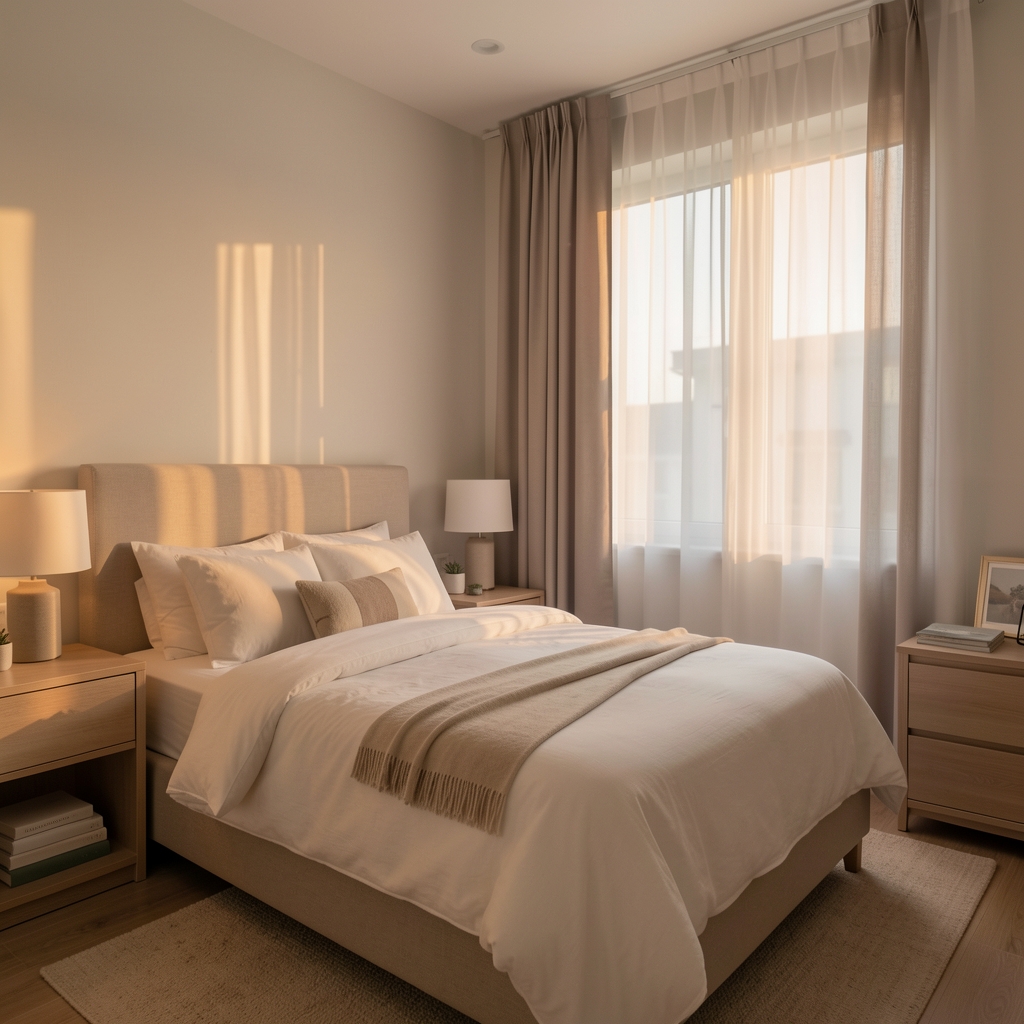
Rest, sleep, gentle movement, food, quiet, and supportive relationships all affect how a person returns to the next ordinary demand.

A pause creates distance from the immediate demand. It may be a few minutes away from a screen or a longer interval between demanding tasks.
Restoration includes sleep, regular food, hydration, daylight, and calm surroundings. The useful combination varies across people and days.
A return is easier when the next step is visible. Prepare clothing, a meal, or a quiet starting point without turning preparation into another project.
| Observation | Possible context | Gentle response |
|---|---|---|
| Attention feels scattered | Long screen period or crowded schedule | Shorten the next task and change the setting |
| Movement feels heavy | Insufficient pause or a demanding day | Choose a slower, simpler option |
| Evening remains busy | Work has not had a clear ending | Use a repeated closing signal |
| Sleep timing varies | Travel, light, or changing responsibilities | Keep one calming pre-sleep cue |
“Rest is not an interruption to a meaningful life. It is one of the conditions in which attention, patience, and movement can return.”

No. A quiet walk, gentle household task, or unhurried conversation may be restorative for one person and demanding for another.
Use transitions already present: a commute, a meal, the end of work, or the period before sleep.
Record the setting and what changed, without turning rest into a scorecard.
Loreus publishes neutral, practical editorial material about movement, routines, and long-term wellbeing. Contact Jl. Thamrin No. 8, Menteng, Central Jakarta, Jakarta 10310, Indonesia, or +62 21 6815 3047.