Control
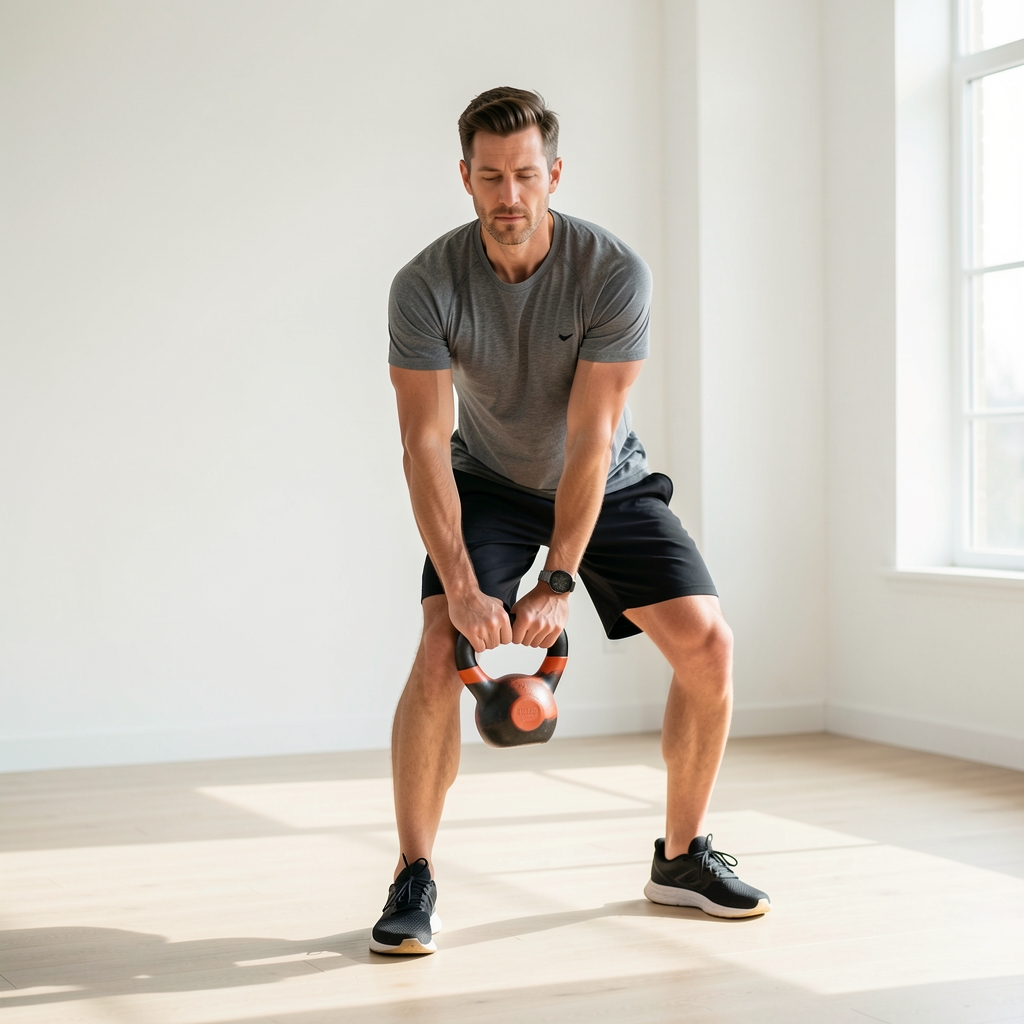
Control is the ability to notice position, speed, and effort. A slower repetition can be informative when it reveals where attention is lost.
Foundations
Strength can be discussed without spectacle: how a person lifts, carries, pushes, pulls, steadies, and recovers within the demands of a real week.
| Pattern | Observation | Adjustment |
|---|---|---|
| Push | Steady contact and controlled return | Reduce range or use support |
| Pull | Shoulders remain relaxed and movement is even | Lower the demand and slow the tempo |
| Carry | Breathing and posture remain manageable | Shorten distance or change the object |
| Rise | Feet, hips, and trunk coordinate | Use a higher seat or hand support |
Control is the ability to notice position, speed, and effort. A slower repetition can be informative when it reveals where attention is lost.
Adaptation means changing the setup while keeping the purpose. A wall, chair, lighter object, or shorter interval can make a movement more accessible.
Rest between efforts, ordinary meals, sleep, and the next day’s demands all belong in the picture. The activity is not separate from the week around it.
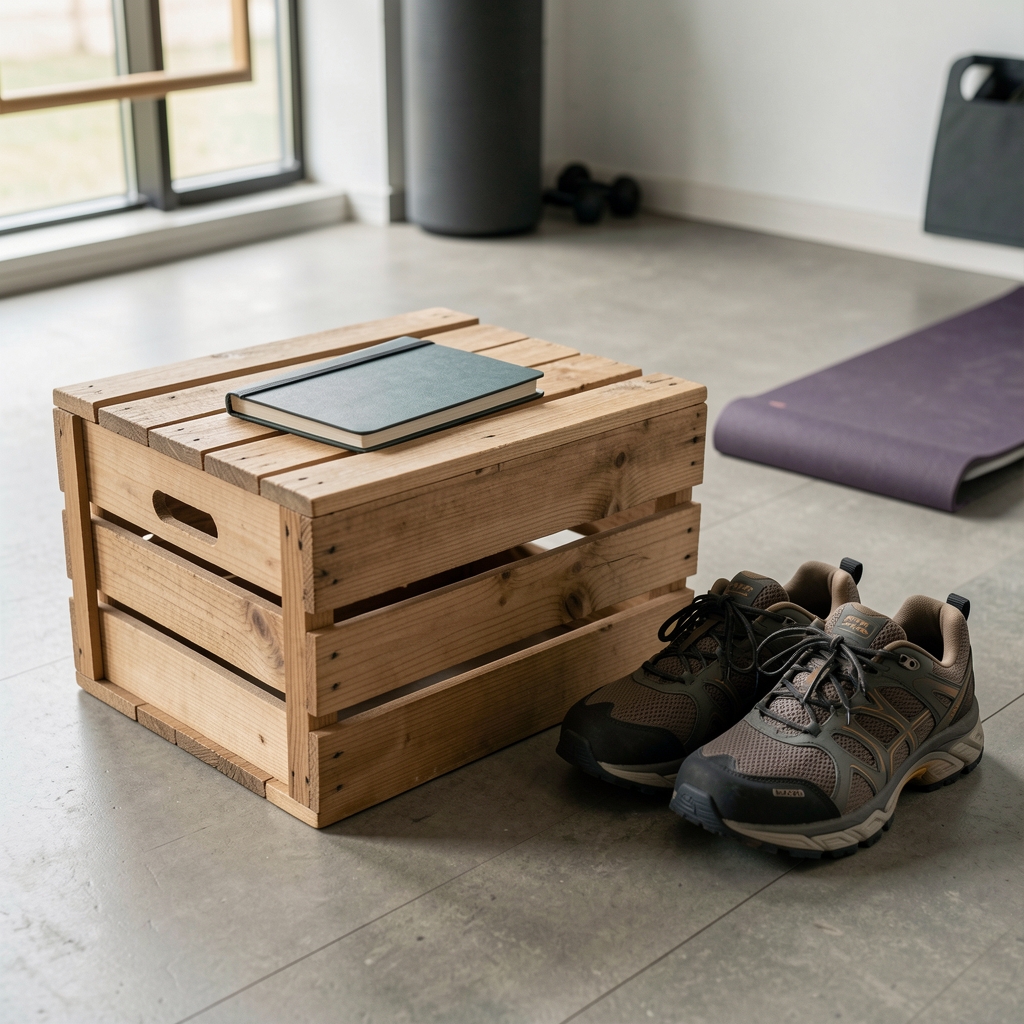
Carrying a bag through a station, rising from a low chair, opening a heavy door, or placing an object on a shelf each has a context. The ground, footwear, fatigue, noise, and available time affect how the task feels. Editorial guidance is more useful when it names those conditions.
Try writing the task before selecting an exercise. If the task is carrying groceries, the useful questions may involve grip, distance, turns, and the ability to put the bag down safely. If the task is rising from a chair, the height, armrests, and floor surface matter.
“Strength is not a public ranking. It is a relationship between a person, a task, a setting, and the attention available in that moment.”
Loreus covers strength as part of a wider editorial conversation about movement and long-term wellbeing. For questions, corrections, or local perspectives, write to Jl. Thamrin No. 8, Menteng, Central Jakarta, Jakarta 10310, Indonesia, or call +62 21 6815 3047.